The First Taste of Pelješac: Plavac Mali and the Land Under the Sun
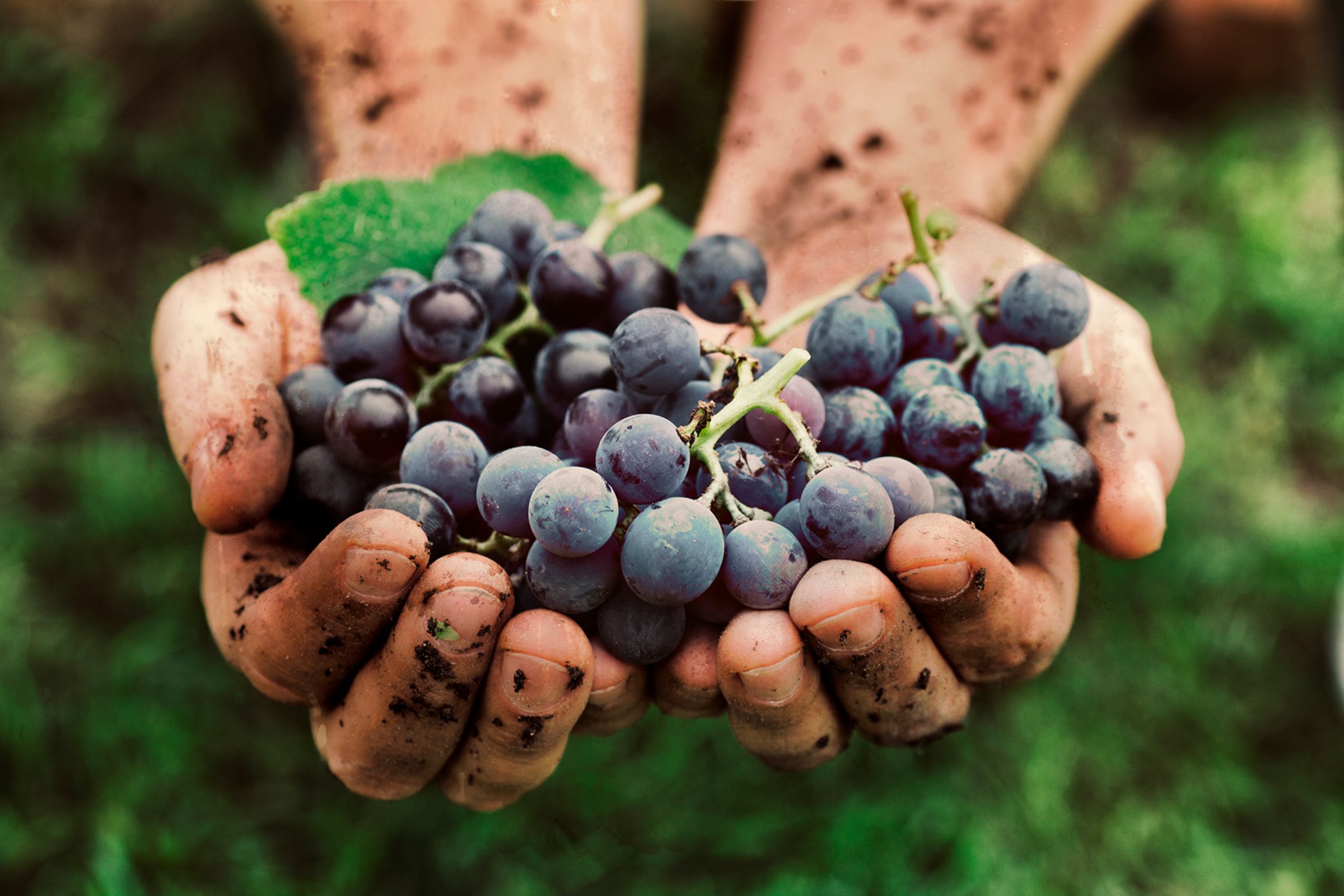
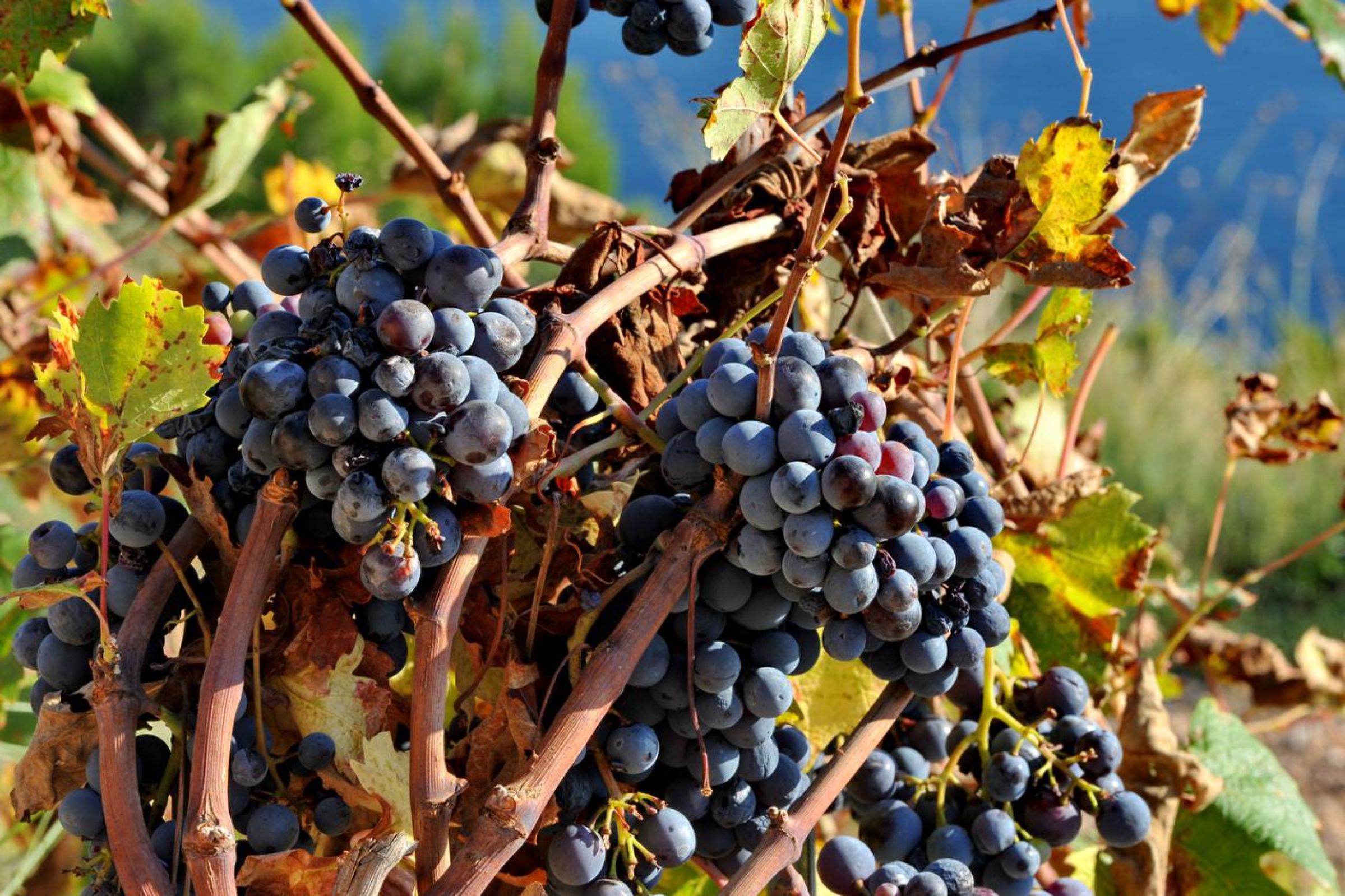
Rocky terrain and intense sunlight concentrate sugar, tannins, and aromas in the grapes. The most acclaimed vineyards are Dingač and Postup, both holding protected designation of origin status. Plavac Mali is an indigenous red variety characterised by thick skin and aromas of dark berries, spices, cherries, and Dalmatian Mediterranean herbs.
The Wineries Worth Visiting
Each winery on the peninsula tells a different chapter of the same story—sun, stone, and slow time. Here are the four we recommend most:
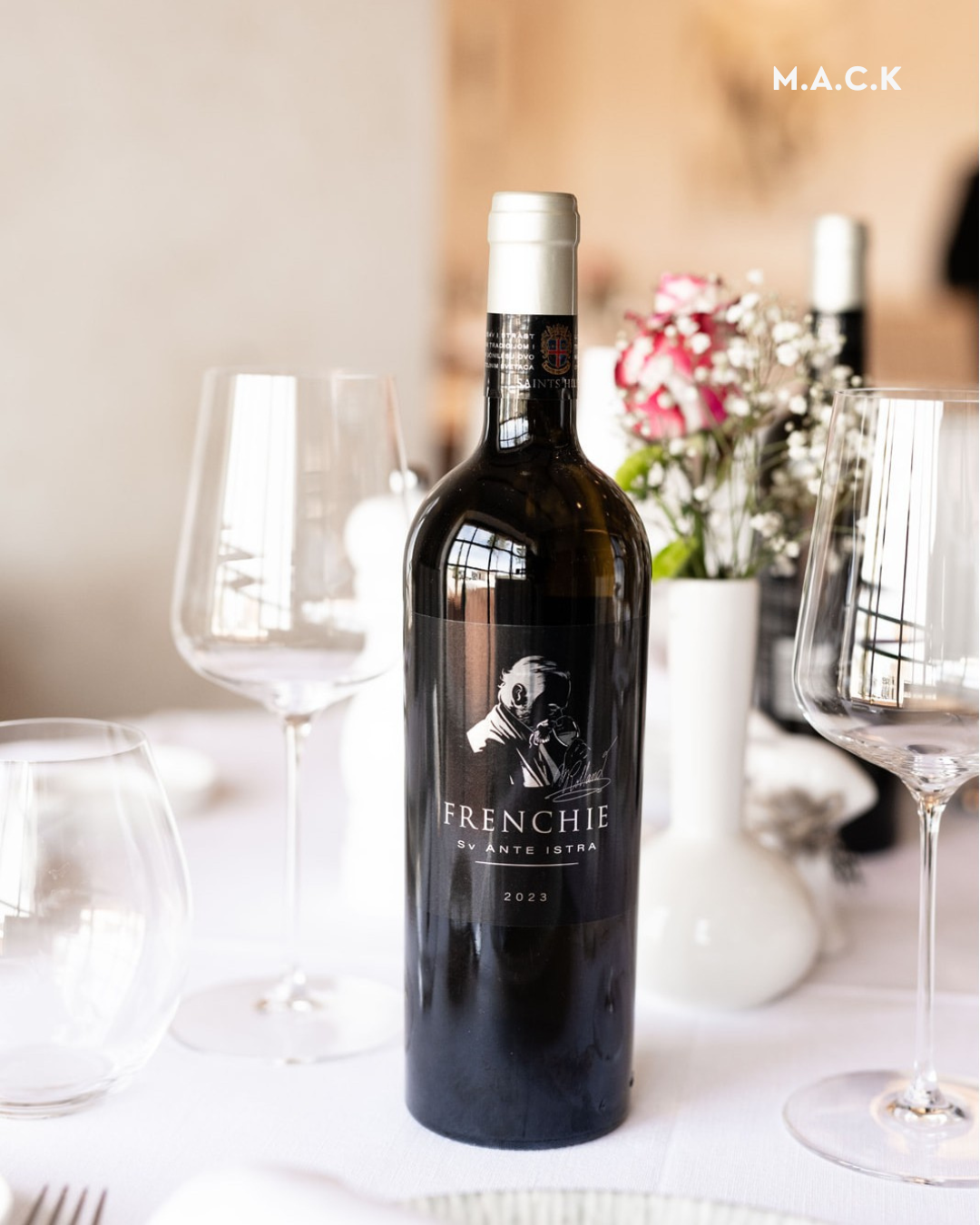
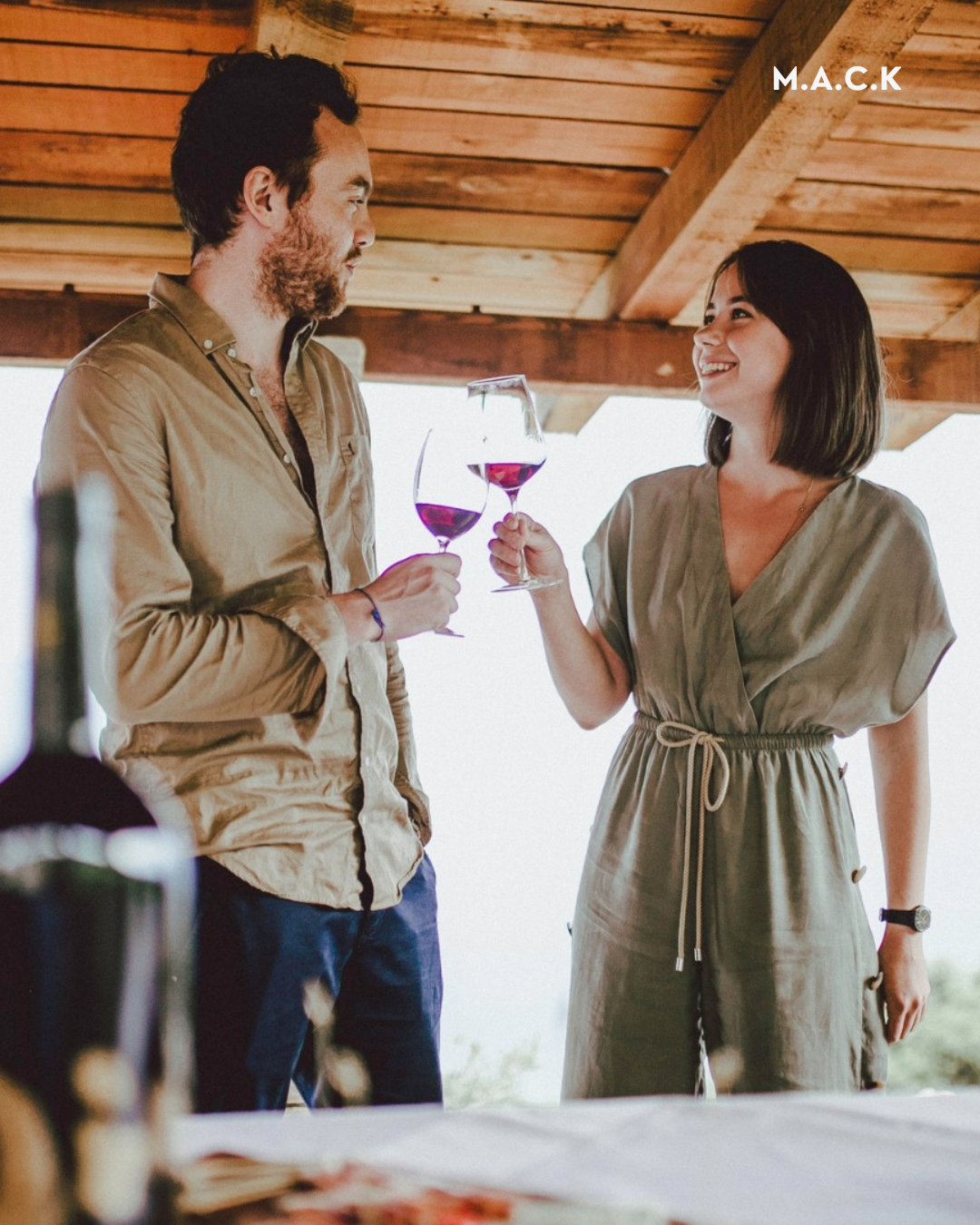
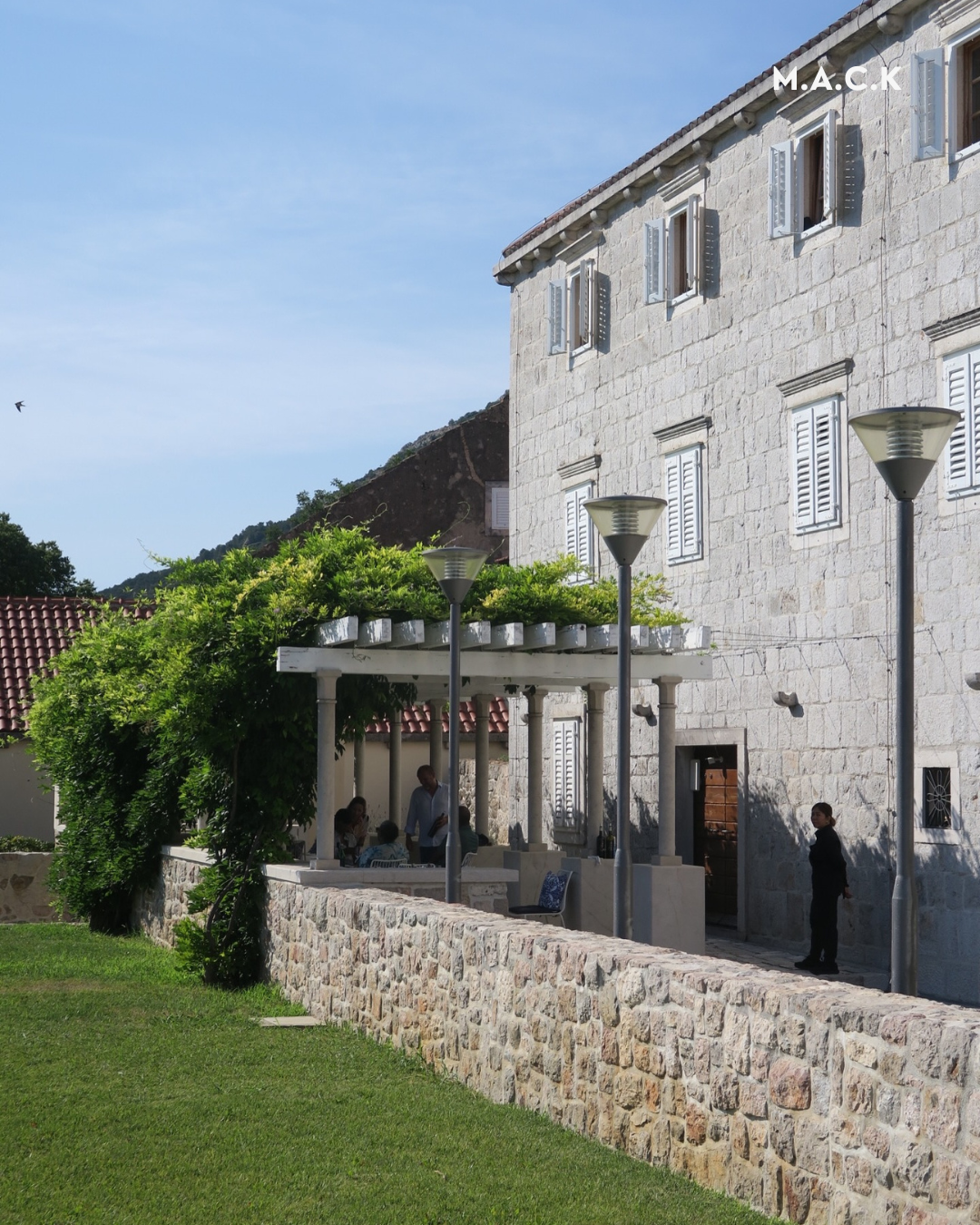
A stone house carefully restored with attention to tradition and detail. Saints Hills offers tastings paired with local flavours and fresh ingredients—history and elegance meeting in the glass.
A vast cellar stretches underground, ending in a tasting room. Their Dingač Royal and Reserva editions, Postup, and sparkling Don Mateo each exhibit deep colour, layered aromas, and tannins with real presence.
A small winery producing full-bodied wines with rich textures, offering aromas of red berries and spices. Intimate, authentic, and unhurried.
The family's flagship Plavac Mali "Padre" is a wine of dark ruby colour, full flavour, and strong character—a genuine expression of the peninsula.
Dingač and Postup as Vineyards with History
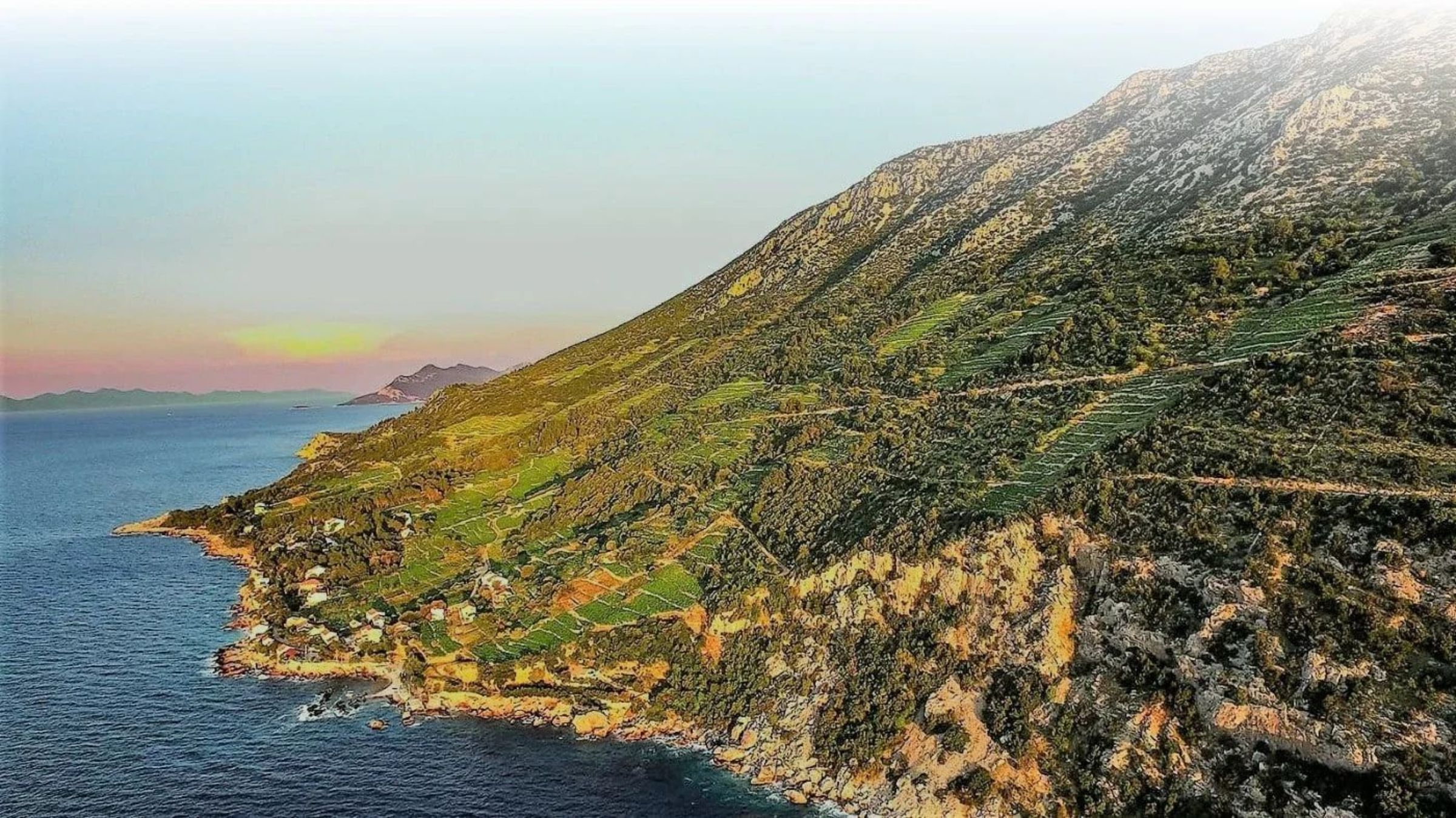
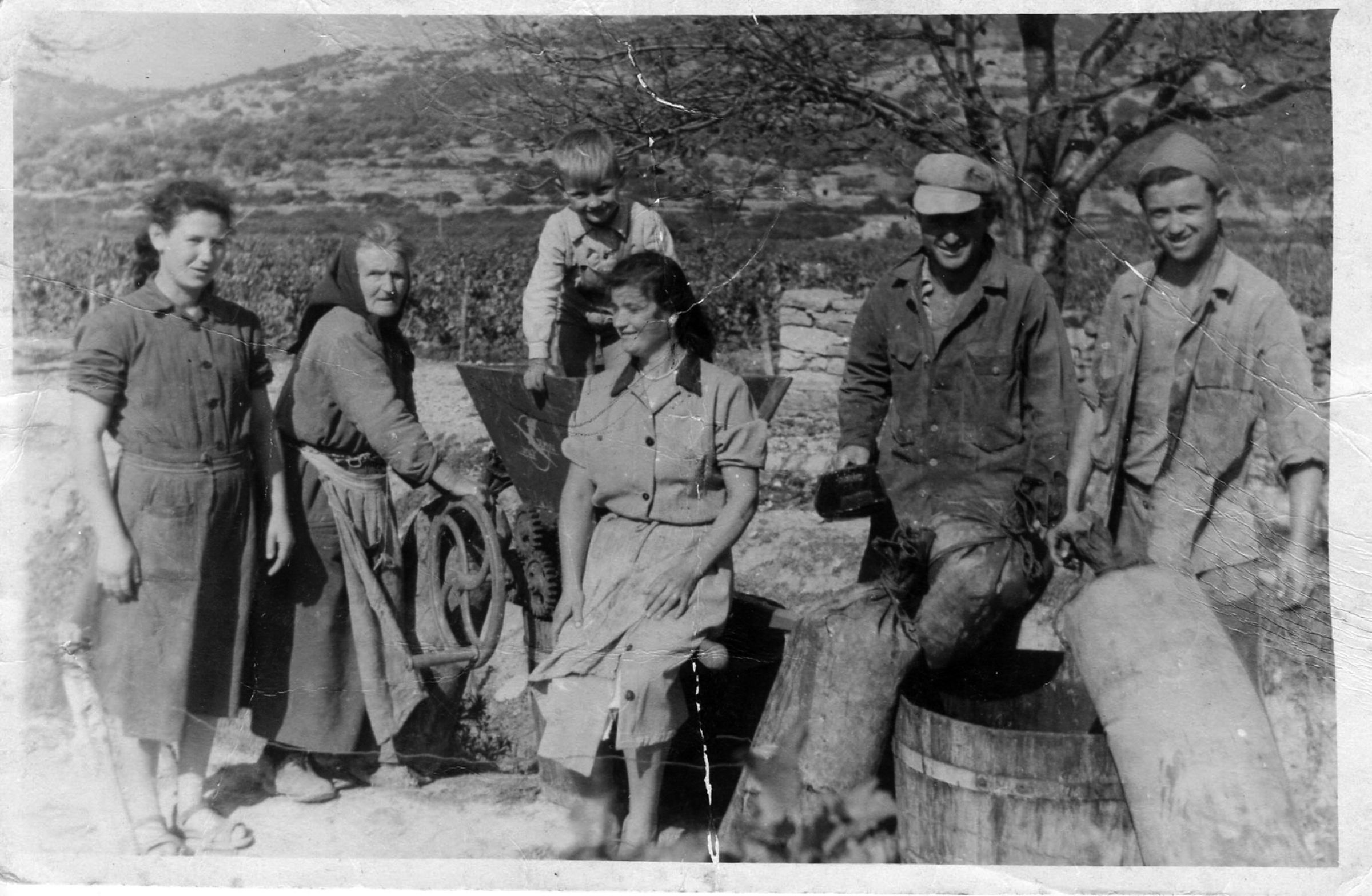
Grapes grow on steep slopes facing south, where sunlight and sea reflection provide high sugar content. These vineyards were the first in the region to receive international wine protection in 1961—a recognition of a winemaking tradition that stretches back centuries.
How to Enjoy the Wine
Plavac Mali rewards patience. Serve it correctly and pair it thoughtfully for the full experience.
Serve Plavac Mali at room temperature—around 16–18 °C. Too cold and it closes up; too warm and the alcohol dominates.
Plavac Mali pairs excellently with grilled dishes, roasted lamb, and mature cheeses. Most wineries on Pelješac offer exclusive tasting combinations with local delicacies: olive oil, prosciutto, and even Ston oysters—one of Croatia's finest shellfish, harvested just down the road.
More Than a Wine Route
Pelješac is more than a wine route—it is a cultural journey. Plavac Mali here becomes more than wine; it becomes part of the story of Dalmatia, the sea, and a life that flows slower, deeper, and with more passion.
Rent a car and drive the peninsula at your own pace. Stop whenever a vineyard calls. That is the only way to do it properly.